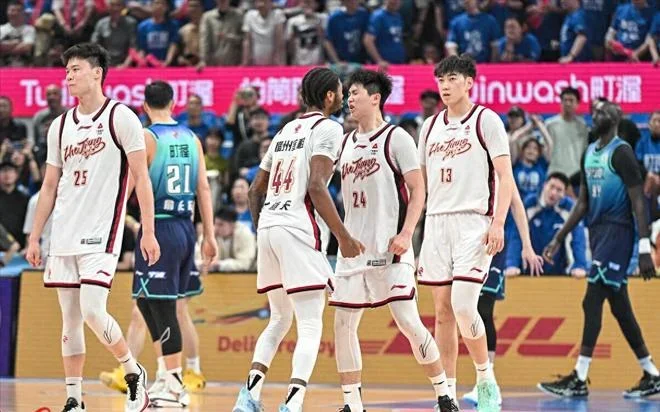
After a hard-fought two-game series against Shenzhen, Zhejiang was eliminated from the playoffs, a result that was widely expected. Still, reaching the quarterfinals kept their reputation as a traditional powerhouse intact, matching their performance from the previous two seasons. This year, Zhejiang was fortunate to face Ningbo in the first round—a team with little playoff experience. Against a tougher opponent, even a quarterfinal berth might have been out of reach. 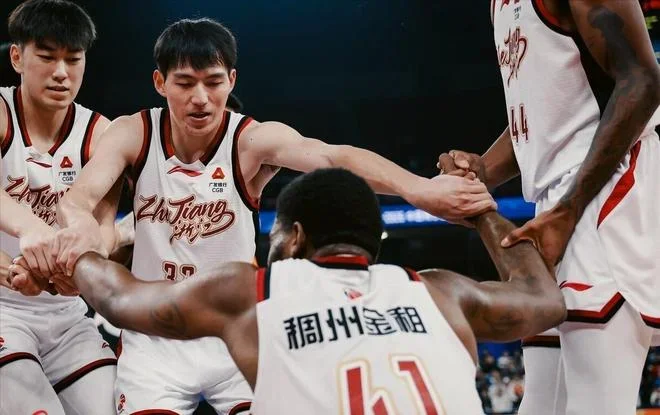
Zhejiang’s peak came in 2023, when they reached the finals for the first time in franchise history. Since then, the team has steadily declined, confirming what many fans had suspected: the roster lacks elite talent, and their window of contention was short-lived. At the heart of this decline is Wu Qian, whose performance has dropped sharply over successive seasons. His regression signals that Zhejiang is entering a new era of transition.
This season, Zhejiang finished sixth in the regular season after a slow start. However, Wu’s contributions were minimal. He played 41 games, starting 28, and averaged just 20 minutes per game—a significant drop from his usual 30-plus minutes in recent years. 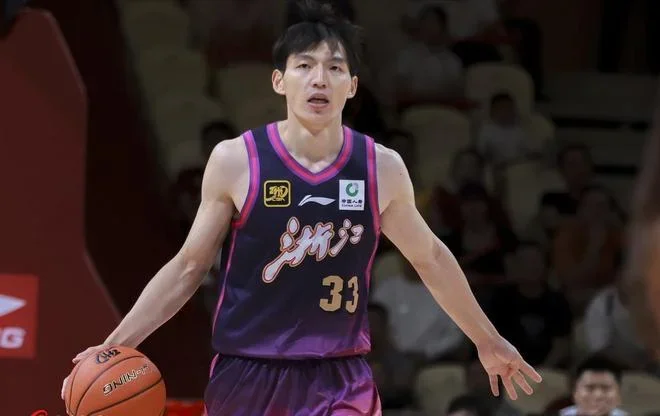
Wu’s statistics tell a stark story: he averaged only 6.2 points, 2.17 rebounds, and 2.8 assists per game, failing to reach double digits in scoring. Last season he still managed 12.1 points, and before that he consistently averaged over 15 points. His shooting efficiency also plummeted, with an overall field goal percentage of just 31.8% and a three-point percentage of 29.4%. Such numbers make him more of a liability than an asset.
Wu’s decline is understandable given his age—he was born in 1994 and is now 32. As a guard who relies on athleticism, his physical abilities have naturally diminished, affecting his shooting consistency.
Despite his struggles, Wu is far from retirement. Last year, he signed only a one-year max contract with Zhejiang, a strategic move to become eligible for a veteran contract at age 32 under CBA rules. This summer, he is expected to sign a new deal that will keep him with the team for at least two more years. When his form is good, he will play more minutes; when not, his role will be reduced.
Wu remains the face of Zhejiang basketball after more than a decade, having won the CBA regular season MVP in 2021—an honor that placed him above a then-in-form Guo Ailun. He will continue to contribute as a veteran leader, helping the team transition. Currently, Cheng Shuaipeng is emerging as the new leader, and Wu has gracefully stepped aside.
In terms of longevity, Wu is not exceptionally old by CBA standards. Players like Liu Xiaoyu and Luo Hanchen are still active, and Guo Ailun has not announced retirement. Wu could easily play until age 35. Looking ahead, he is deeply tied to Zhejiang and could eventually transition into an assistant coach or even a head coach.
For Zhejiang, the challenge remains finding a local star to lead the team after Wu’s decline, or maintaining competitiveness will be difficult.