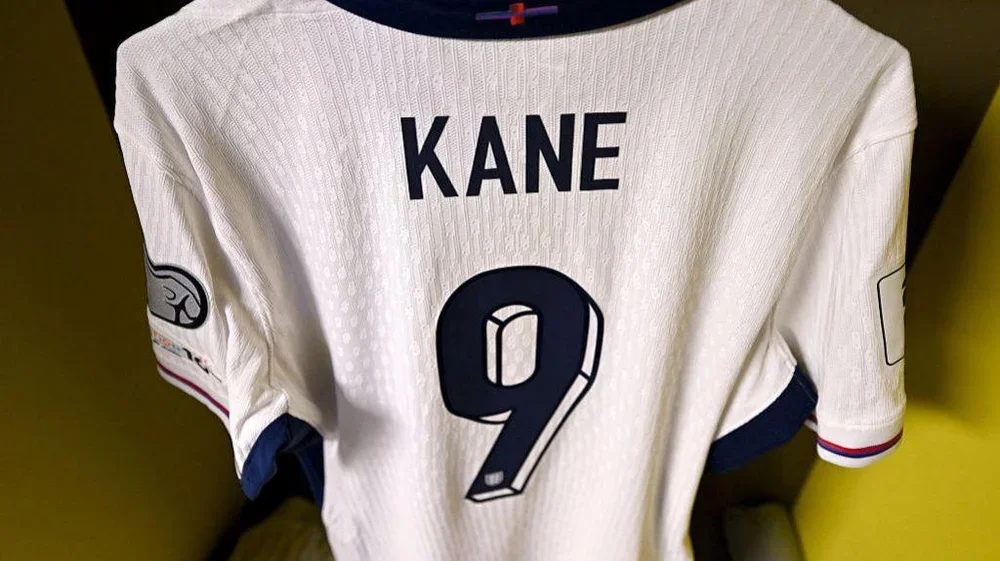
And then there was one. Thomas Tuchel’s latest squad highlights the glaring shortage of English centre-forwards, with Harry Kane the only out-and-out striker among the 25 players selected.
Of course, injuries play a part. Tuchel confirmed that Ollie Watkins is being rested due to a persistent issue, Dominic Solanke has been unavailable since August, and Liam Delap, only recently back for Chelsea after two months out, is still regaining fitness. It’s also worth noting that more versatile forwards like Marcus Rashford, Jarrod Bowen, Phil Foden, and Anthony Gordon have been included, and they could be deployed through the middle against Serbia and Albania this week.
Still, seeing Kane’s name as the sole true striker underscores how heavily England lean on the 32-year-old as their attack’s focal point. The shortage of other options to lead the line is a real concern heading into next summer’s World Cup, especially beyond it.
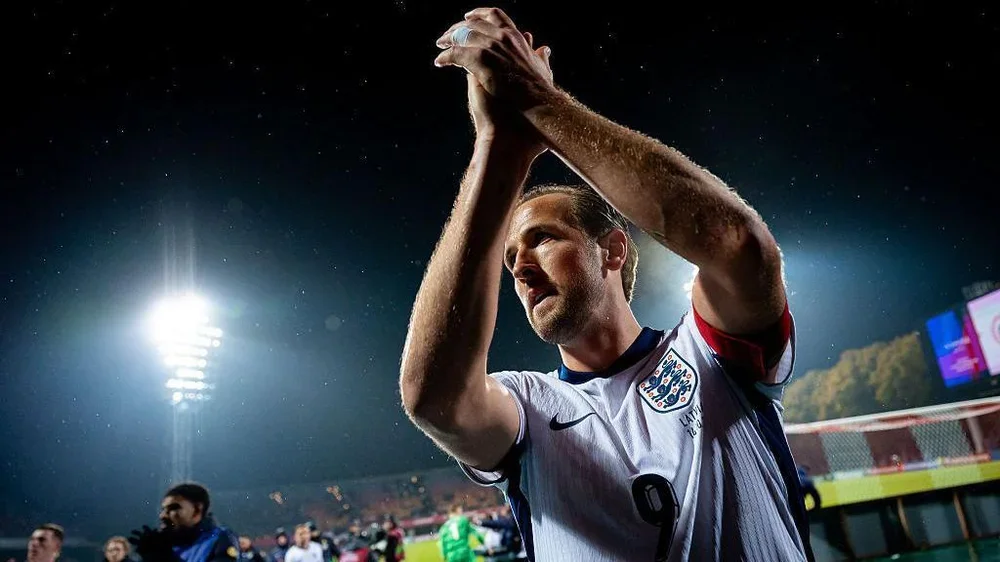
Image credit: Getty Images
Caption: Kane is England’s all-time record goalscorer with 76 goals in 110 senior appearances.
Kane has been prolific for Bayern Munich in the Bundesliga this season, but across the Premier League, only eight English strikers have featured in the current campaign. Of those, 22-year-old Delap is the only one under 26.
Behind Delap, there doesn’t seem to be a new generation waiting in the wings either. England’s Under-21 side went to last summer’s European Championship without a recognised striker, and their latest squad includes only one—Divin Mubama, 21, who is yet to score in the Premier League and is currently on loan at Championship side Stoke.
So where have all the English number nines gone, and why is the country no longer producing traditional strikers?
Fewer games and different systems play a part. Some English strikers exist, but their statistics are hardly encouraging. Danny Welbeck, who turns 35 this month, and 33-year-old Callum Wilson are the only ones with more than one Premier League goal this season. Among those under Tuchel’s consideration who play abroad, Ivan Toney is the most prolific this campaign, scoring 11 goals in 15 games for Saudi Pro League side Al-Ahli, which he joined in 2024. Tuchel selected the 29-year-old for games against Andorra and Senegal in June, but Toney only featured as an 88th-minute substitute in the Senegal friendly and hasn’t made another squad since.
This shortage of number nines isn’t a sudden drop-off—it’s a long-term trend. Last season, just three English strikers—Watkins (16), Delap (12), and Welbeck (10)—scored 10 or more Premier League goals, the fewest ever. That’s a far cry from the 1992-93 season when 20 English strikers reached double figures.
In recent years, what was already a steep decline has fallen off a cliff. Last season, English strikers scored only 67 league goals, less than half of the 2020-21 tally. Kane’s departure from Tottenham to Germany in 2023 played a part, but English strikers still managed 96 goals in 2023-24. If anything, this campaign is shaping up to be even worse: English strikers have scored just 11 goals between them so far, on course for a collective 38 at their current rate—only four more than Andy Cole and Alan Shearer each scored when they topped the Premier League scoring charts 30 years ago. Cole bagged 34 for Newcastle in 1993-94 and Shearer netted the same for Blackburn the following season, still the record haul for English strikers in the Premier League era, albeit in 42-game seasons.
The decline of English strikers stems from several factors, including tactical shifts and a reduced emphasis on the traditional target man role in academy systems.